
Industrial assembly and maintenance
Asset availability and reliability
We install, inspect and maintain equipment and facilities through criticality-based planning, safe procedures and records that turn every intervention into useful knowledge.
Service overview
Methodical, safe and traceable intervention
Effective maintenance balances performance, risk and cost across the asset life cycle. It requires knowing which assets exist, how they fail, how critical they are and what evidence each task leaves.
We integrate assembly, preventive routines, condition inspection, corrections, turnarounds and documentation to sustain operations and improve plans with real data.
Services
Integrated industrial asset support
Electromechanical assembly
Installation, alignment, connection, adjustment and verification of equipment, structures and auxiliary systems.
Preventive maintenance
Scheduled routines based on recommendations, condition, experience and criticality.
Predictive maintenance
Condition inspection and monitoring to detect degradation before functional failure.
Corrective maintenance
Diagnostics, repair, replacement, adjustment and controlled testing before release.
Planned turnarounds
Scope, resource, spare, sequence, permit, quality and punch-list planning.
Electrical and instrumentation
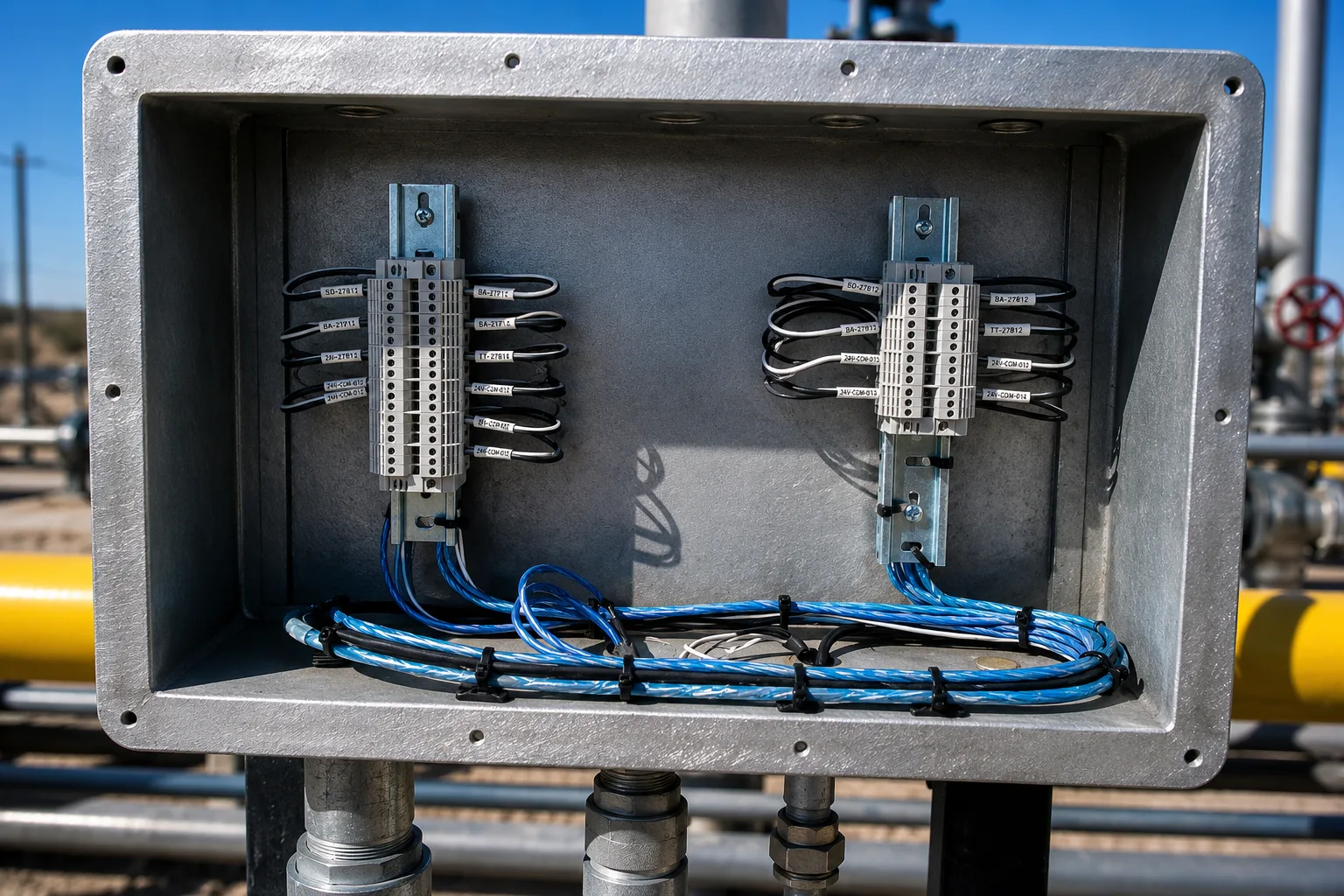
Inspection, calibration, connection, functional testing and control-system support.
Spares and documentation management
Critical lists, history, drawings, manuals, protocols and technical information updates.
Reliability and failure analysis
Review of failure modes, causes, recurrence and actions to prevent repetition.
Our stages
Maintenance managed as an improvement cycle
We plan, execute, verify and feed back each task to improve the quality of the next cycle.
Inventory and criticality
We identify assets, functions, failure consequences, available data and priorities.
Maintenance strategy
We define preventive, predictive and corrective tasks and spare requirements.
Work planning
We prepare scope, permits, resources, tools, procedures and inspection points.
Isolation and intervention
We establish safe conditions, disassemble, inspect, repair or install according to procedure.
Quality control
We verify tolerances, torque, alignment, calibration, cleanliness and finish.
Testing and release
We perform functional tests and confirm conditions before returning the asset to operation.
Technical records
We document findings, measurements, spares, time, failures and recommendations.
Analysis and improvement
We review indicators, recurrence and effectiveness to optimize the plan.
Standards
Technical and standards framework
Recognized technical references, applied according to project scope, jurisdiction, asset conditions and contractual specifications.
Maintenance that creates knowledge and reliability
- Lower exposure to recurring failures through diagnostics and root-cause closure.
- Tasks prioritized by asset function, criticality and condition.
- Better-prepared turnarounds with defined scope, materials and resources.
- Technical history supporting repair, replacement and spare decisions.
- Documented release after controls and functional testing.
Do you need to structure or strengthen maintenance?
Let’s review assets, criticality, current tasks and improvement opportunities.